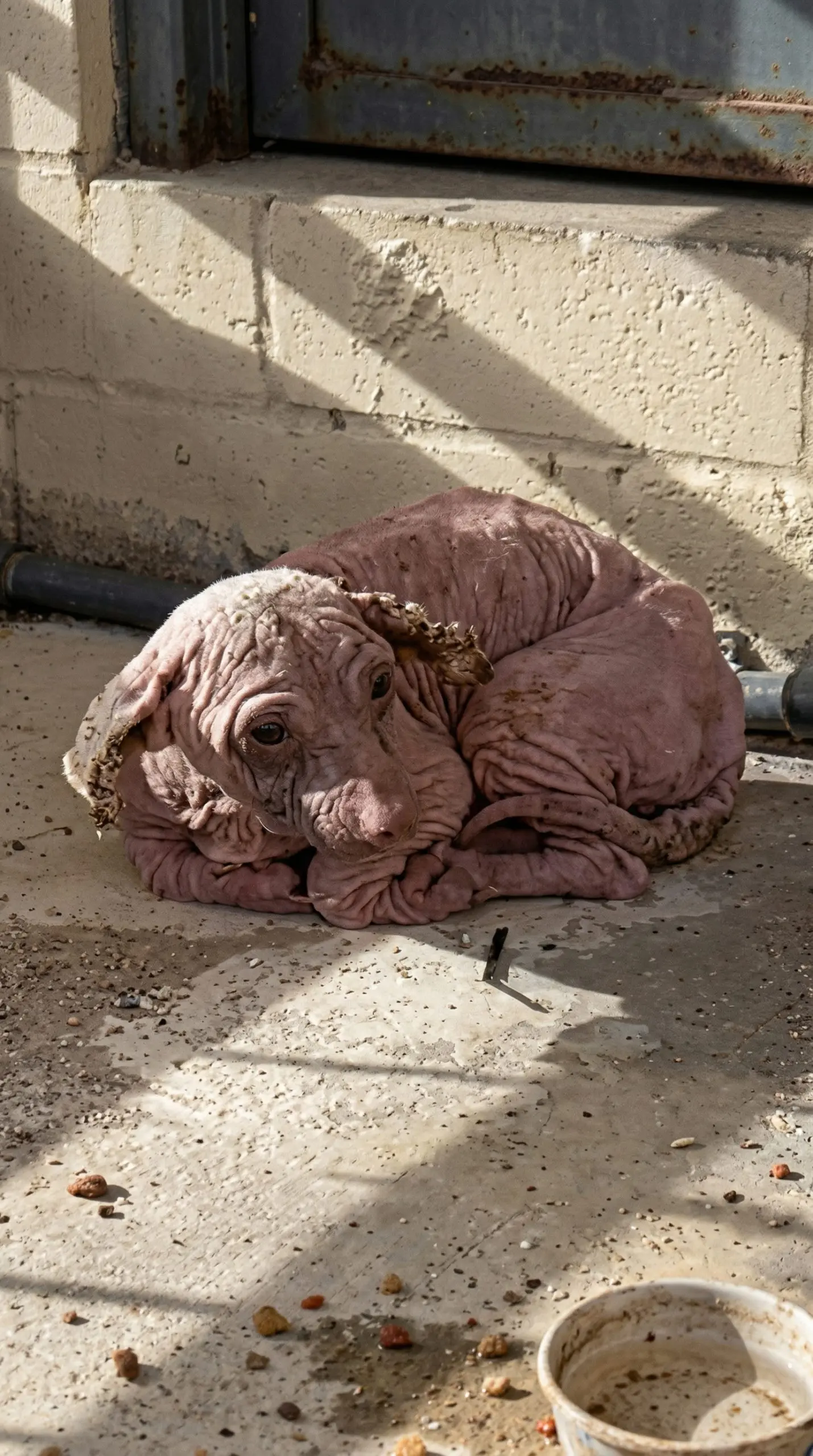
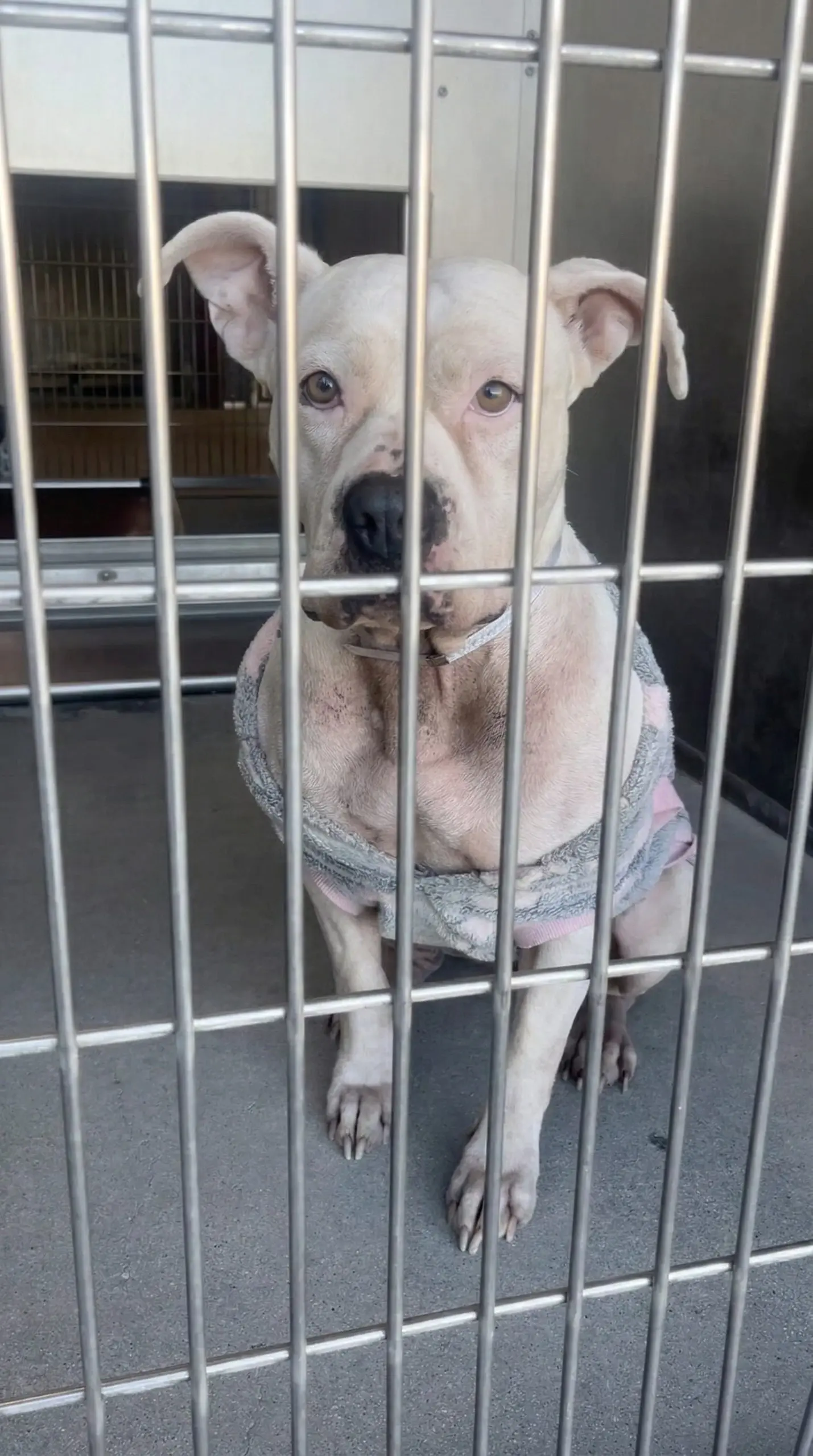
Behind the barbed wire of a commercial breeding facility, hundreds of dogs sat confined to cramped metal cages, utterly deprived of sunlight and the simple comfort of grass beneath their paws. Among them was a tiny, fragile dog known only by a cold metal tag reading “251.” Unseen and forgotten, she trembled quietly in the shadows, marked not by a name but by the harsh indifference of an industry that saw her as no more than an inventory number.
February 2007 brought a turning point when Theresa Strader, a passionate animal advocate, arrived at this grim facility after hearing of fifty Italian Greyhounds being auctioned off. The air was thick with the overwhelming scent of ammonia, and dozens of frightened eyes watched from rusted cages. Amid this bleak scene, Theresa’s gaze met that of Number 251, huddled in the darkest corner, her jaw badly damaged by untreated disease common in such places.
Lily, as Theresa would soon name her, flinched at even the smallest human gesture—her body scarred not only physically but emotionally by years of neglect and harsh treatment. Yet that first moment of connection hinted at a fragile hope, a silent plea for kindness that would become the foundation of a remarkable journey.
VIDEO: Remembering Lily, the Puppy Mill Survivor Who Changed Lives
The First Steps Beyond the Cage
Rescuing Lily was only the first chapter in a long and delicate process. After spending nearly seven years confined to wire floors, where even walking on grass was alien and intimidating, every new sensation was daunting. The softness beneath her paws startled her. The lightness of a gentle touch—a promise of warmth and care—was something she had to relearn slowly.
Theresa’s patience proved crucial. She spent countless hours sitting quietly by Lily’s side, offering trust not through words but through steadfast presence and gentle hands. The trembling gradually gave way to tentative acceptance. Blankets became places of rest rather than hiding. Food transformed from a scarce commodity into a source of comfort. These small milestones—each a quiet victory—marked Lily’s fragile steps toward healing.
“Sometimes, the smallest sign of trust is the moment that tells you how far an animal has already come.”
Post: Helping a Traumatized Dog Walk on Grass for the First Time
The Quiet Joy of Belonging
For fifteen months, Lily experienced a life previously unknown to her—a life filled with peace and affection rather than fear and isolation. Her eyes, once clouded with terror, began to glow with cautious curiosity. Though her body bore irreversible scars from her years as a breeding machine, her spirit found solace in the simple but profound act of belonging.
Her days were no longer measured by suffering but by moments of unhurried calm: a nap in a warm bed, a gentle stroke, a quiet evening close to those who cared. Through Lily’s journey, the cruel realities of puppy mills came into sharp relief, revealing the grave cost of an industry that thrives in silence and neglect.
Post: From Suffering to Peace: Lily’s Journey Beyond Puppy Mill Trauma
A Legacy Born from Pain and Love
Despite the tender care surrounding her final days, Lily’s body had endured too much. On May 13, 2008, she passed peacefully, embraced by the family who had offered her warmth and dignity at last. Though her freedom lasted only a brief fifteen months compared to seven years of hardship, her story sparked something enduring.
Theresa’s grief transformed into determination. She founded National Mill Dog Rescue, a beacon of hope that would go on to free more than twelve thousand dogs from conditions like Lily’s. Each rescue carried a small flicker of Lily’s spirit, her journey from a number to a named soul lighting a path through the darkness for others yet trapped.
“Her life was tragically short and filled with immense pain, but her beautiful legacy proves that a single broken soul can permanently change the world for thousands.”
Post: Saying Goodbye to Lily, Whose Legacy Freed Thousands
Post: A Farewell That Inspired Lasting Freedom for Captive Dogs
In Lily’s quiet departure, there lies a profound truth: sometimes the deepest impact comes not from grand gestures, but from the unwavering resolve to recognize each life as more than a number. It is a reminder that even the most fragile among us can become catalysts for change.