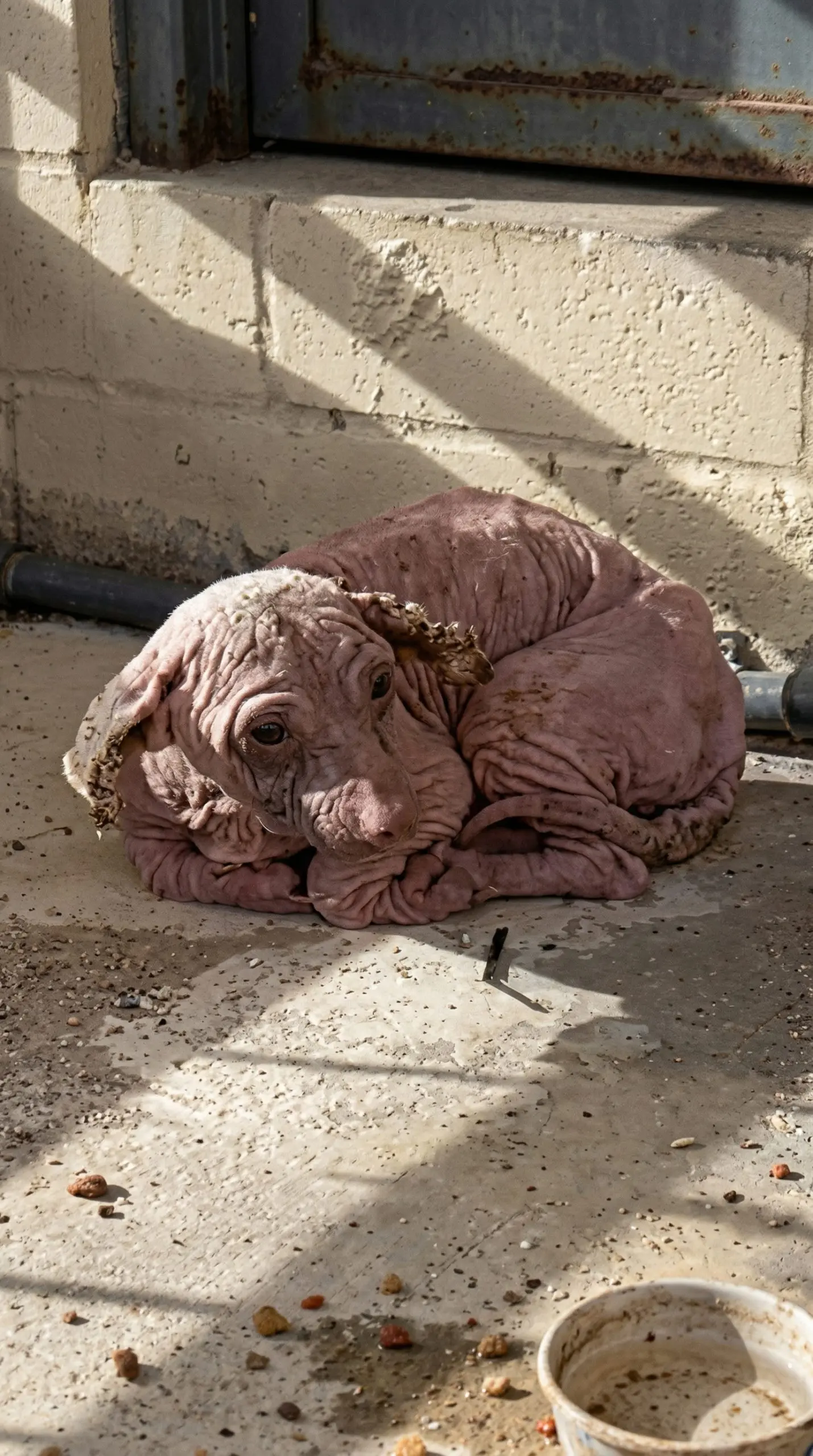
In the bustling metro station of Lima, Peru, where the noise of the crowd drowns out many stories, a fragile dog lay tethered to a rough wooden board. The rough ropes had dug painfully into his skin, and he stared blankly at the hard concrete beneath him, unnoticed by the thousands rushing past. The indifference of a busy world had left him quietly enduring what seemed like an endless wait, trapped in a place where no one shared his name or his suffering.
For days, this gentle dog stayed still, his body unable to move, his spirit quietly weathering the neglect around him. When some young commuters finally unbound him and gave him a meal, there was a brief moment of reprieve. Yet, believing their gesture sufficient, they left, unaware that the cruel cycle would soon repeat. Upon returning two weeks later, they found him back in the same spot, restrained once again, more weakened and succumbing to illness in a growing loneliness.
It was this moment, witnessing the stubborn will to survive in his tired eyes, that led to a significant change. The group gently lifted him and brought him to Sara Moran, a woman known through Lima for taking on the most challenging rescues. As Sara looked upon the dog, whose weariness spoke volumes, she silently vowed that the days of being treated as forgotten baggage were over.
VIDEO: Paralyzed Dog Abandoned in Crowded Metro Station Finds Freedom with New Wheels
The Harsh Reality of Severe Neglect and a Fight for Life
Veterinary assessments revealed a grim truth hidden beneath his frail appearance. Years of extreme neglect and the trauma from being tightly bound had caused irreversible spinal damage. On top of this, serious kidney complications threatened his survival, a consequence of the harsh conditions he endured. His skin, left immobile against the wooden board, was ravaged by painful infections that added to his suffering.
In a place where many stray dogs face swift euthanasia, some advised ending his pain quickly. Yet Sara’s gaze met a spark in his eyes—a silent plea that she couldn’t ignore. Without hesitation, she settled on an arduous path of treatment, despite limited resources. The slow months that followed saw his fragile body supported by careful and consistent medical care.
His world softened as Sara created a refuge for him within her home, laying him gently in a soft baby crib. For the first time in weeks, his body could rest free from the unyielding pressure of ropes, a small but crucial step toward healing.
Discovering Mobility Beyond Pain: From Chains to Racing Wheels
The road to recovery did not end with surviving his physical wounds. Once his deep infections healed and his kidneys stabilized, Sara introduced a remarkable change—a custom lightweight wheelchair. It was a symbol not just of physical support, but of reclaiming agency.
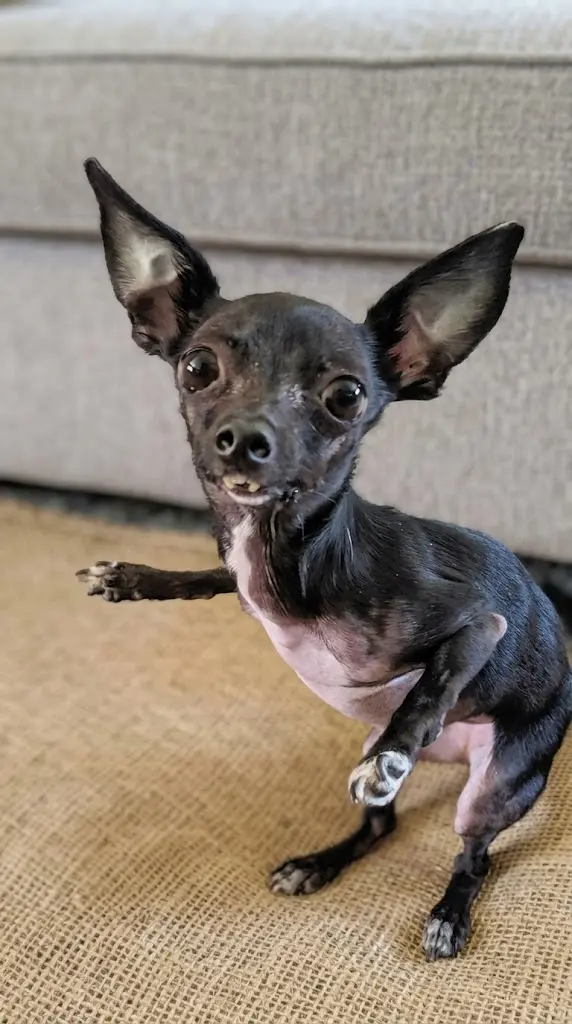
Suddenly, the dog who had not moved for weeks discovered the freedom to glide across the yard effortlessly. His cautious movements grew into joyful explorations. Among a community of sixty other disabled rescue dogs in Sara’s care, he found belonging instead of rejection. The exclusion of his past began to dissolve as he embraced his new way of moving through the world.
Now, his wheels kick up the warm Peruvian sand as he races alongside humans in marathons on open beaches. Once invisible in a crowded station, he has become a living testament to resilience and transformation.
Reflections from Sara and the Tracks Left Behind
Through the long journey from bondage and sickness to strength and celebration, Sara offers a quiet reflection on his story:
“He survived the absolute coldness of the world without ever letting it freeze his heart, teaching us all that our deepest scars can become the very wheels that drive us.”
His journey invites a deeper consideration of what it means to truly see—beyond physical limitations, beyond first impressions—recognizing the will to move forward against overwhelming odds.