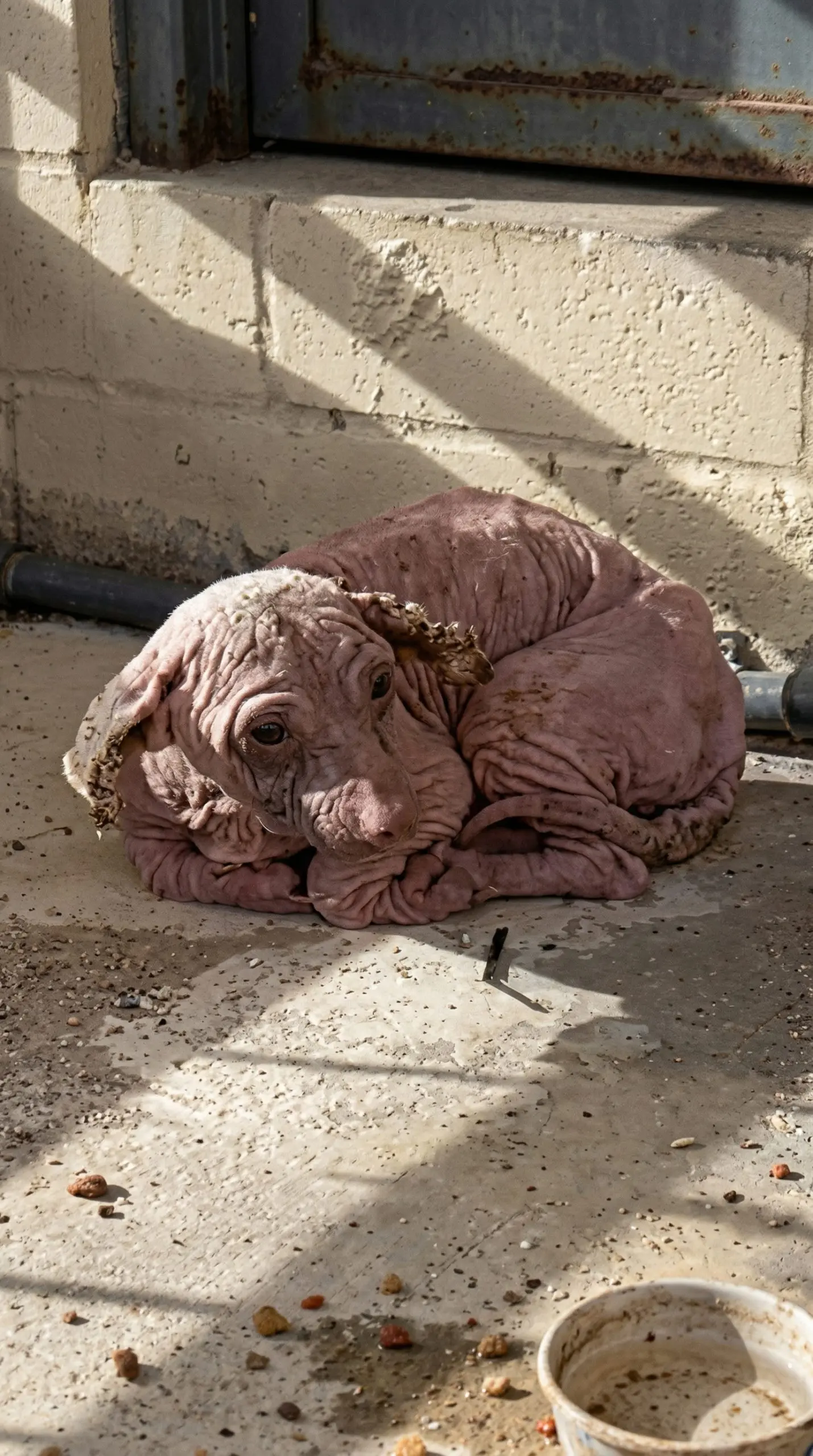
Buried up to her neck in the packed soil behind a schoolyard, Lily’s fragile chest heaved with shallow breaths, trapped beneath an unforgiving weight she could not escape. Paralyzed by an old spinal injury, she lay still, her weary eyes barely visible as she silently observed a world that seemed to have abandoned her.
For those twenty minutes in the suffocating dirt, Lily’s body was motionless, unable to claw or crawl to freedom. Her condition—caused by an untreated spinal fracture—had rendered her hind legs useless, forcing her into an existence marked by helplessness and isolation.
It was only when the local clinic team arrived, called urgently by school staff disturbed by the cruel order to silence the stray, that Lily’s long entrapment came to an end. The careful hands of rescuers unearthed her slowly, clearing dirt from her trembling muzzle and supporting her broken spine as she was lifted free. Yet, in the vehicle that carried her away, she did not whimper or bark—only lay quietly, overwhelmed by the shock of rescue and unsure of what would come next.
VIDEO: A Paralyzed Dog’s Incredible Fight for Life After Being Buried Alive
A Silent Struggle Beneath the Surface
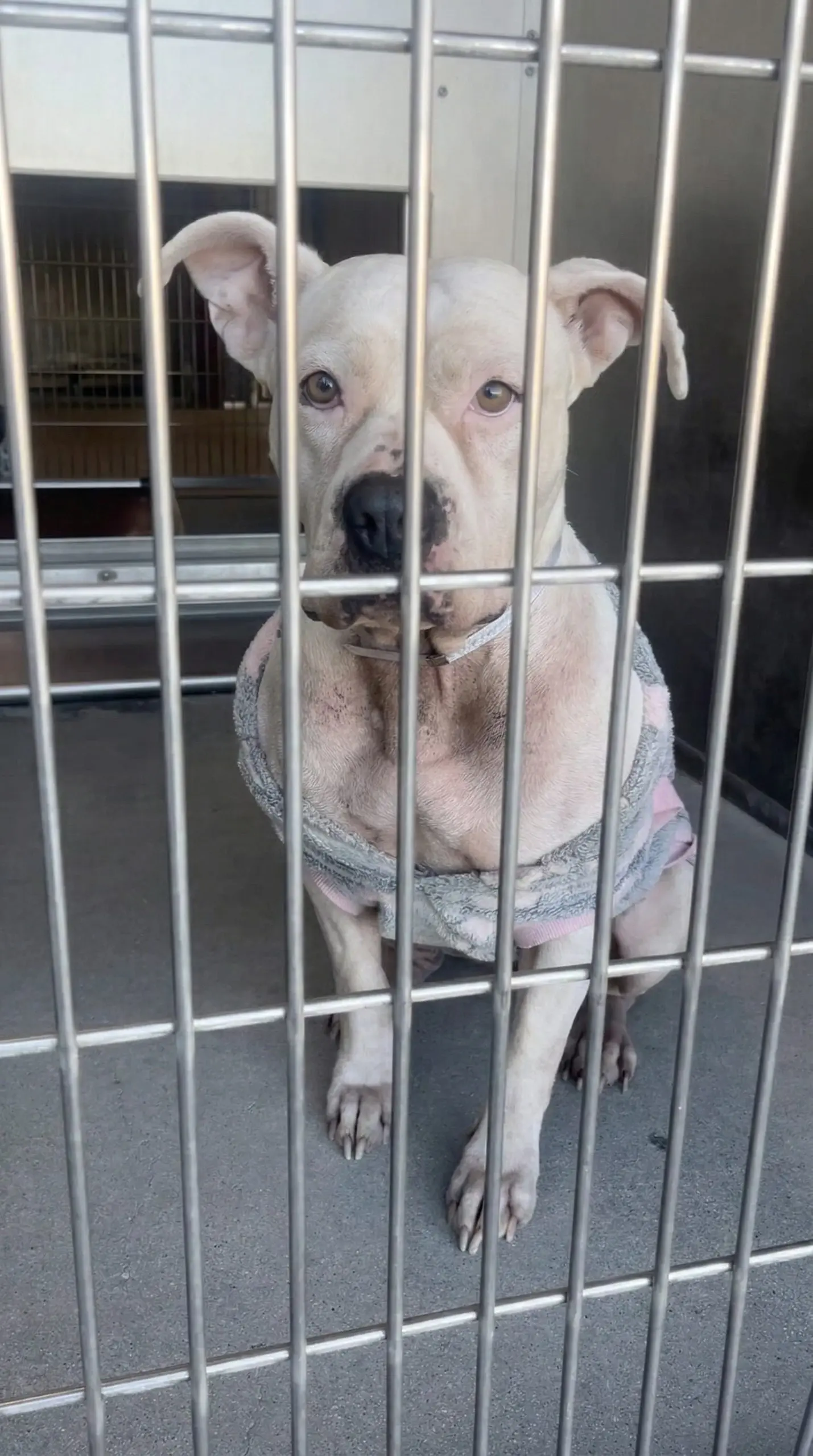
Once inside the calm of the Mdzananda Animal Clinic, the full extent of Lily’s fragile state was revealed under the steady hands of veterinary staff. Her paralysis was not new; it was the painful echo of the broken spine she had endured alone while fending for survival on the streets. In those first days, wrapped in blankets, she withdrew from the world, eyes clouded with distrust and deep exhaustion.
Her refusal to move was not defiance but a weight heavier than her body, anchored by the trauma that shaped her survival. Yet, those caring for her recognized that healing would require more than treating her physical wounds. It demanded gentleness and patience to begin breaking down the walls around her spirit.
Slow Steps Toward Trust and Movement
Lily’s journey to recovery hinged on delicate progressions—a regimen that focused as much on quiet consistency as on physical therapy. Hydrotherapy became a key part of waking the muscles in her lifeless legs. In the warm water, freed from the harshness of streets that had once been her prison, she found a new form of movement, a tentative way to reclaim control.
Acupuncture treatments followed, easing hidden nerve pain that Lily had never voiced but carried with each breath. Over weeks within the clinic’s walls, moments began to change. The anguished dog turned hesitant participant, lifting her head a little more with each day, responding to the gentle creak of the door with a faint wag of her tail—a quiet sign that trust was being rebuilt.
Emerging Into Joy Beyond the Shadows
As nourishment replaced hunger and care softened her loneliness, Lily transformed. Her once hollow frame regained muscle, and the shadows that lingered in her eyes finally lifted. Where sadness had written itself deep in her expression, a soft smile now emerged—growing subtler with each loving scratch behind her ears.
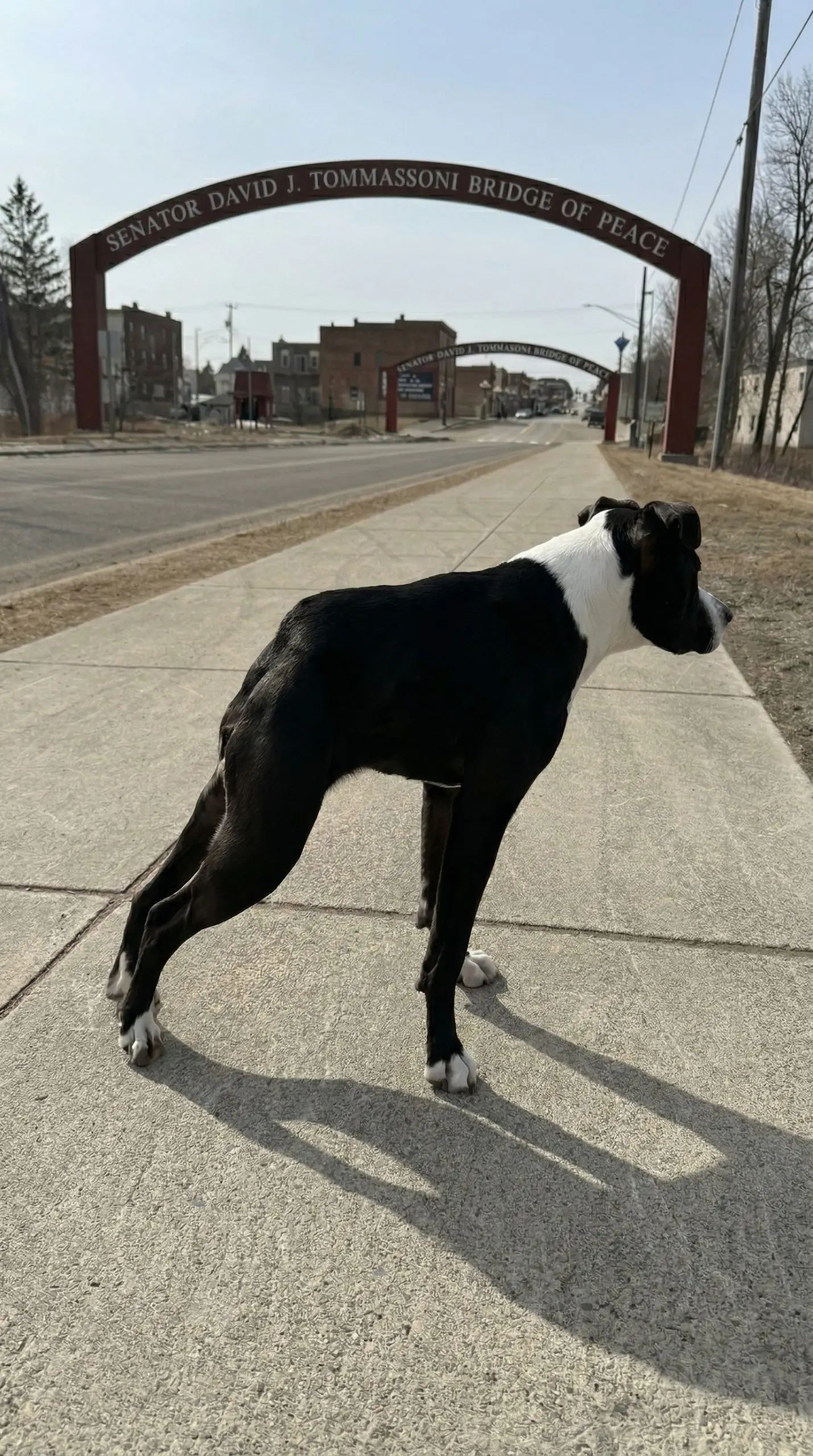
Though her legs still bore the imprint of past injury, Lily moved with a fresh energy, bounding proudly across green grass instead of struggling through harsh city streets. The creature once excavated from the cold earth was gone, replaced by a dog who carried herself toward sunshine and warmth with quiet confidence.
“Sometimes, the smallest sign of trust is the moment that tells you how far an animal has already come.”
Her healing stands not only as a testament to resilience but as a reminder of the patient work required to restore life touched by neglect. Lily’s story reflects the layered journey from silence to expression, from paralysis to joyful motion, illuminating what can be achieved when care meets time.