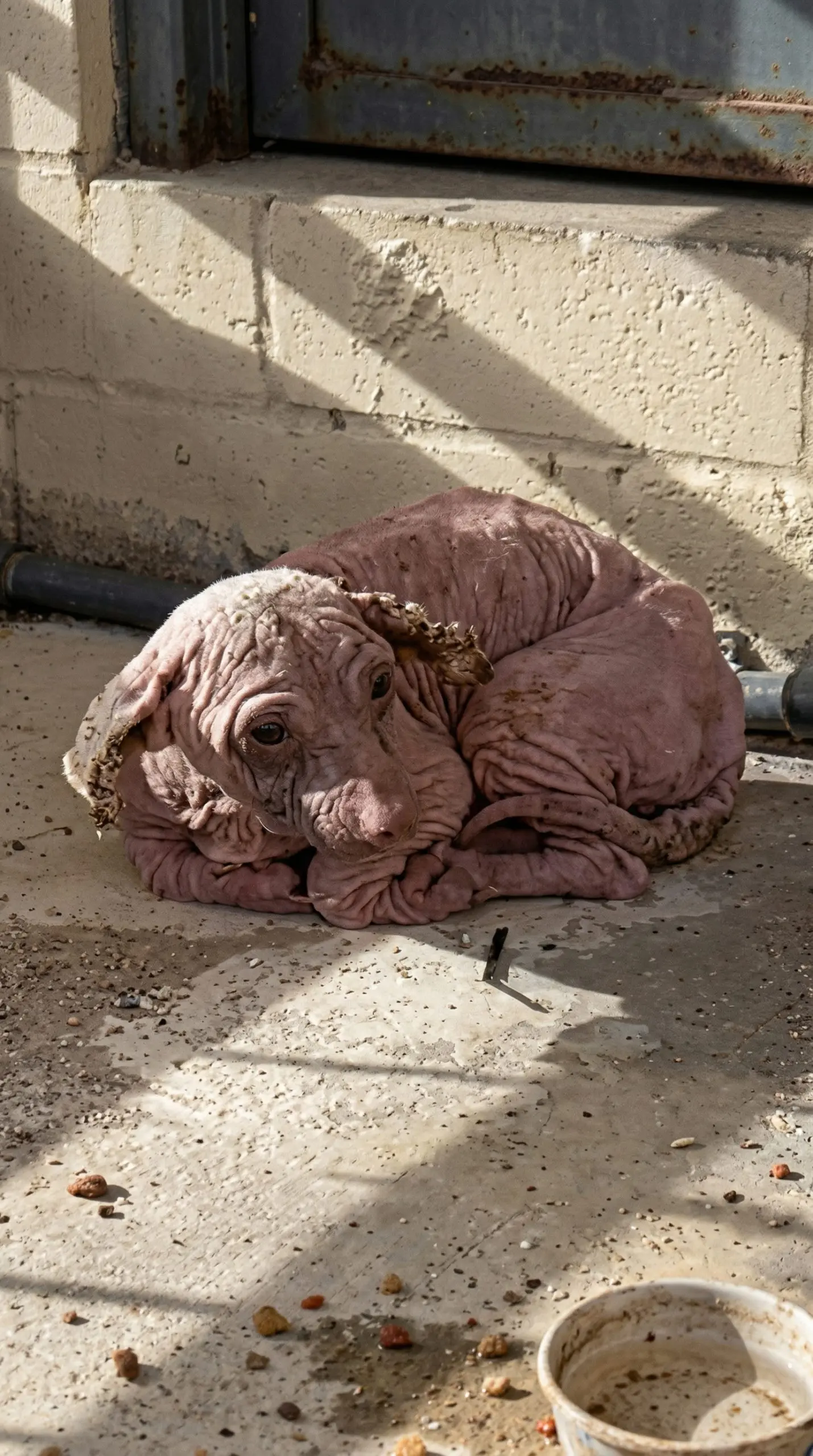
In the biting cold expanse of a winter field, a small figure lay half-buried in snow. Lunka, barely a year old, was motionless, his fragile body no longer responding to his own desperate will to move. The ruthless wind cut through the frozen landscape, chilling him further as a quiet, steady snow began to cloak his battered frame.
His skin bore the marks of deep and neglected wounds, silent testimony to the harshness he had endured. Despite the cold and the biting wind, his faint breath trembled gently, a fragile thread of life barely holding fast against the vast, uncaring elements.
When the local rescuers arrived, their careful movements spoke of urgency and tenderness in equal measure. They lifted him with deliberate care, sliding their hands beneath his spine, wrapping his limbs in a worn winter coat to share warmth and hope. Holding him close, they waited with the silent plea that he might endure until the first light of dawn.
VIDEO: A Paralyzed Puppy’s 150-Day Journey From Frozen Snow to Recovery
Cold Ground and Quiet Moments: The Early Days of Healing
The frozen earth offered no softness—only a harsh reminder of how delicate Lunka’s situation had become. At the veterinary clinic, the bright sterile lights revealed the full extent of his ordeal. His lower body was paralyzed, evidence of a violent strike that left him stranded and forgotten in the snow.
The path to recovery stretched out long and uncertain. Day after day, the routine of gentle physical therapy began, accompanied by medications and moments filled with silent hopes. Though his legs remained stiff and unresponsive, Lunka never once lashed out at the hands that moved them, demonstrating a quiet resilience even in the pain.
Small Signs Amid Seasonal Change
As winter gave way to softer days, subtle shifts started to emerge within Lunka’s enclosure. A faint twitch, barely noticeable but profoundly meaningful, traced down one of his back paws. This small movement was a fragile promise that the damaged nerves were rekindling their connections.
Each session of physical therapy was met with a dogged determination. Despite recurrent failures to stand, Lunka met every setback with a renewed effort—a stubborn will to engage with life beyond his immobility. The slow progress was marked more by persistence than immediate success.
Steps Toward Freedom After a Hundred and Fifty Days
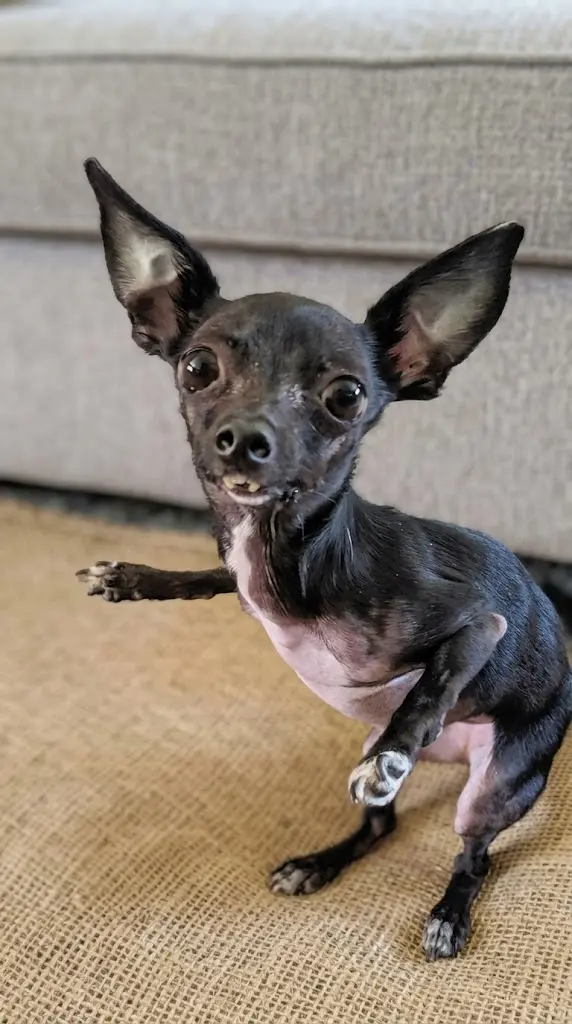
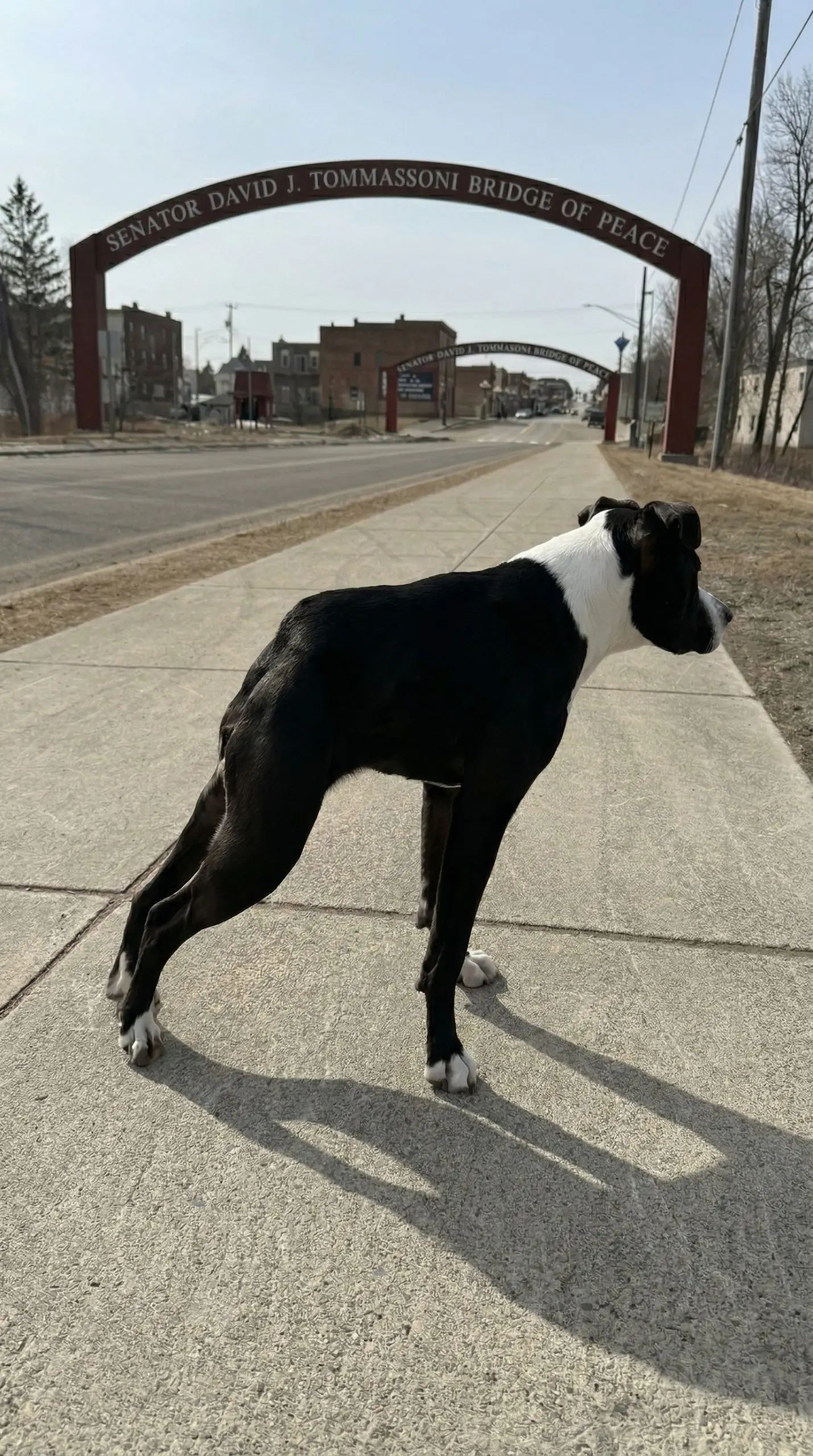
Then, after five months of steady care and quiet endurance, a moment arrived that shifted everything. Lunka rose under his own strength, steadying himself on paws that had struggled to move before. What followed was not just walking but a clumsy, joyful run across the earth—an expression of the freedom that had once seemed impossible.
The fragile, bruised creature who had given himself to the silence of the ice was no longer there. In his place stood a survivor, shaped by relentless patience and care, embodying the quiet power of healing and renewal.
“Sometimes, the smallest sign of trust is the moment that tells you how far an animal has already come.”