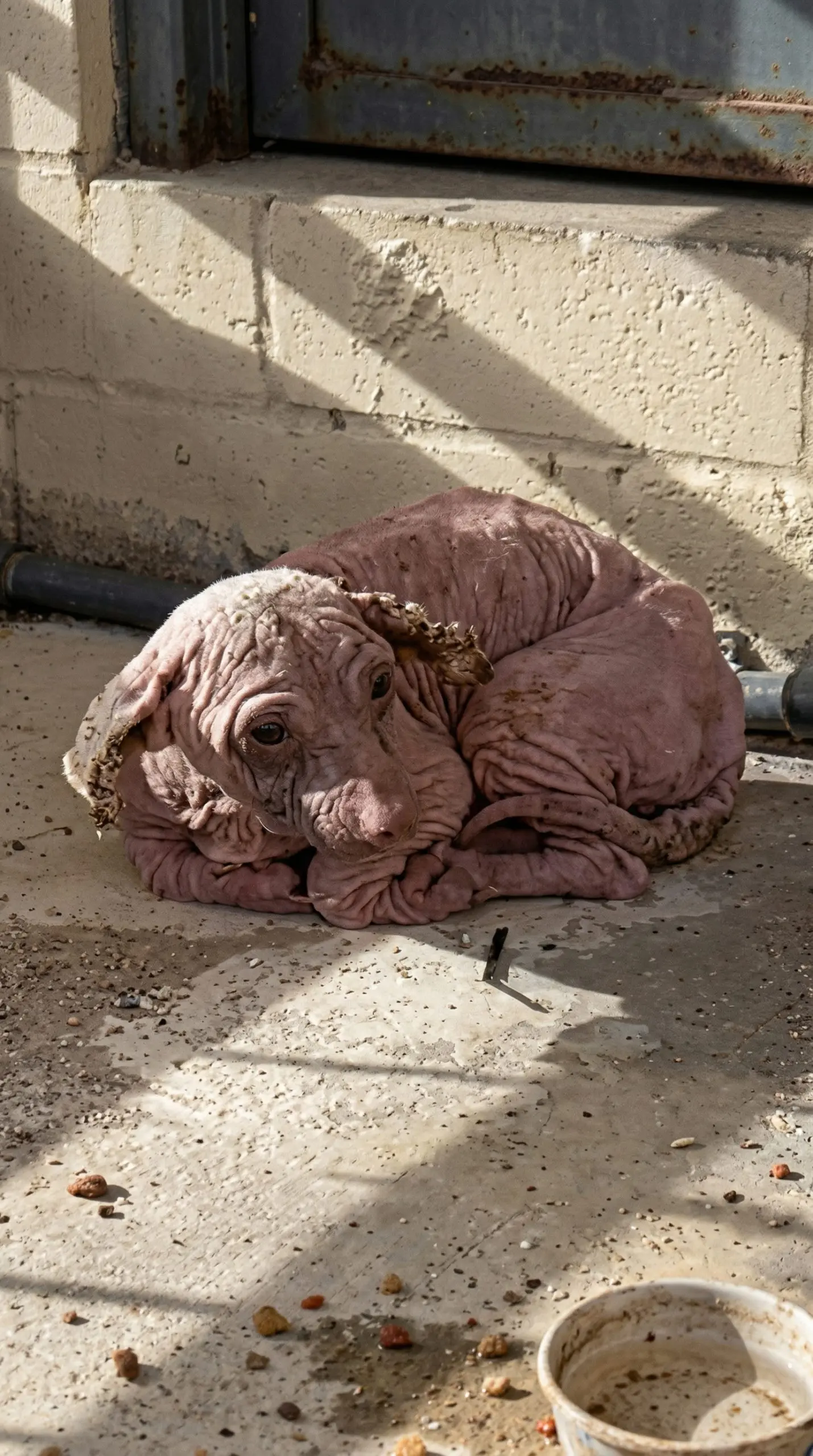
On one particularly cold day in Moscow, an overlooked cardboard box rested abandoned on a harsh, unforgiving street. Inside, a tiny puppy lay curled up in a state of quiet surrender, her small body pressed tightly in defeat. What caught the attention of a passerby was not only her vulnerable figure but also the faint tears mingling with dirt on her face, a silent testament to her despair.
As the daylight caught her weakened form, she stirred slightly, a glimpse of life flickering beneath layers of exhaustion. Approaching cautiously, the observer knelt to check if the fragile creature still drew breath, feeling immediately that this was a moment demanding urgent care and compassion.
Despite her feeble state, the puppy mustered enough strength to crawl towards the outstretched hands of the stranger, her eyes conveying a plea for presence and protection. This hesitant connection marked the first fragile bridge between a weary soul and the possibility of comfort, leaving the future uncertain but touched by hope.
VIDEO: The Crying Puppy Left to Die in a Cold Cardboard Box
Unveiling the Hidden Scars Beneath the Surface
The morning light revealed more than just a trembling body. After gently opening the box’s flaps, the rescuer carefully wrapped the puppy and hurried to a specialized veterinary clinic. There, a series of tests unearthed harsh truths about the ordeal she had endured. The delicate skull bore a fracture consistent with a deliberate, violent impact, and the trauma had left her severely unsteady, threatening basic functions like balance and walking.
Beyond the visible injuries, signs of severe malnutrition painted a somber background, suggesting her early life had been marked by profound neglect. Yet the most startling discovery came from an abdominal ultrasound which revealed that in her desperate fight for survival, the puppy—later named Alice—had ingested hard stones. The presence of these foreign objects was a mute testimony to the extreme deprivation she had suffered.
The knowledge of Alice’s difficult past presented a daunting medical path ahead, one filled with uncertainty and the gravity of healing not just body but spirit.
Small Victories on Wobbly Legs
Weeks passed in the quiet rhythms of the clinic. Alice began to rise, her steps shaky and unsteady, yet every attempt carried the weight of resilience. The consistent care nurtured not only her body but also a spark of determination that slowly illuminated the hearts of those around her.
A senior veterinarian’s hopeful assessment confirmed that the damage to her skull was mending well, with no apparent lasting impact on her brain. Alice was blossoming into more than just a survivor; she was becoming a bright, affectionate companion who responded with growing signs of comfort and trust.
Her coat regained its softness and shine, her weight steadily increased, and most notably, her tail wagged freely at the sight of familiar faces—small but meaningful signs of a life reclaiming itself.
A Quiet Embrace and a New Beginning
When the clinic staff finally approved Alice to leave, the moment felt both triumphant and tender. She folded into the arms that carried her with the relaxed trust of a child cradled, a stark contrast to the desperate stillness she had known just weeks before.
From a forgotten cardboard box on a lonely street to a place of safety and care, Alice’s journey encapsulates the slow and steady reclaiming of dignity and connection. Though the path ahead remains unwritten, she waits patiently for the family who will cherish her presence and the fragile strength she represents.
“Sometimes, the smallest sign of trust is the moment that tells you how far an animal has already come.”